Volume 27, Issue 2
NAMAH Journal Volume 27, Issue 2
Articles in this Issue
Protecting innocence
By Lopa Mukherjee - Jul 15, 2019
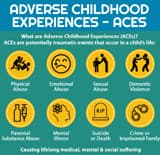
This article discusses the delicate nature of childhood, in particular the various kinds of abuse and trauma classified under Adverse Childhood Experiences. It dives deep into the most painful form of abuse — child sexual abuse. It explores it from different perspectives — psychological, physiological, sociological, and judicial. The various governmental and non-governmental measures taken to counter this form of abuse in India are discussed as an example. The legal process is critiqued and some improvements are suggested. Crime and a poor childhood are shown to be linked. The Mother’s childhood experiences and how they helped her formulate a vital education programme are discussed. In conclusion, the importance of child welfare and protecting childhood is upheld as the foundations for a sane life in a sane society.

Pañcakarma therapies — a detoxifying and rejuvenating technique
By Gayatri Gandhe - Jul 15, 2019
PañcakarmaPañcakarmavamana, virecana, nasya, vasti and raktamokṣaṇasnehanasvedana
Moving Forward
By Unknown Author - Jul 15, 2019
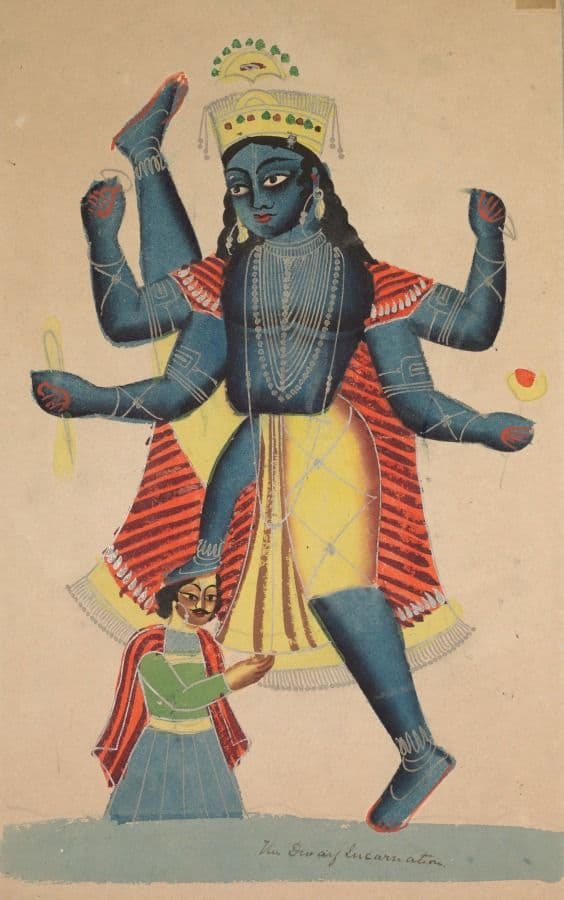
An ancient Veda and a Purana speak of the three steps of Vishnu. The first step extends between earth and heaven, the second between earth and the subconscient terrains below, and the third and penultimate step is on man himself. These three steps are actually steps of the soul’s self-discovery. At first the soul in us discovers itself in creation and the world from matter to mind, from earth to the stars. The second step discovers itself below the world of matter as forces and powers that create the sense or the illusion of concrete material forms and objects, the forces that govern his psychological states from some hidden springs below and behind his surface waking consciousness. But the third step is the discovery of himself, his own true self that lies behind the masks of his ego-personality.

Let’s explore anger
By Sumit Bajoria - Jul 15, 2019
Through surrender, simple steps can be taken to learn to live from moment to moment. This will empower us to handle our anger in a much better way and make our life a celebration.
Healthy bowel habits
By Uttareshwar Pachegaonkar, Dr. Arati Sharma - Jul 15, 2019
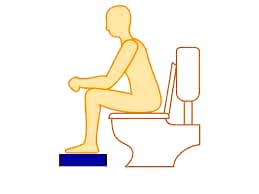
The state of a cleared bowel movement is a great relief for everyone. One should pass regular bowel movements without straining or using laxatives. The faeces in normal course are soft yet well-formed, easily passed and at a frequency anywhere between 1–3 times a day and 3 times a week. It is not absolutely essential for one to have it each day. One should promptly comply with the urge to defecate. If it is not heeded within a few minutes, the urge usually passes off. It may take just one or two minutes to accomplish the defecation. The postures and modalities of defecation are culture-dependent. Faeces contain 65-85% water. Constipation, being a common problem, might result in hard, dry faeces that are difficult to pass. If defecation occurs too fast, before excess liquid is absorbed, it gives rise to diarrhoea. Innumerable disease conditions are diagnosed based on bowel symptoms. Intake of high fibre foods, drinking plenty of water; not straining for stools, complying promptly with the urge to pass stools and optimum physical exercise are the best means to prevent bowel-related diseases.