Volume 21, Issue 2
NAMAH Journal Volume 21, Issue 2
Articles in this Issue

The idea of perfect life
By The Mother - Jul 15, 2013
“Death is the question Nature puts continually to Life and her reminder to it that it has not yet found itself. If there were no siege of death, the creature would be bound forever in the form of an imperfect living. Pursued by death he awakes to the idea of perfect life and seeks out its means and its possibility.”

The concept of mind according to Āyurveda
By E. Shaji Raj - Jul 15, 2013
A person with sattva gunna predominancemokṣaBrahma sākṣāt karatattvarasa

The law of change — II
By Alok Pandey - Jul 15, 2013
This article deals with the individual’s role in our present times of great upheaval associated with the pressure for a collective change. It discusses the purpose of this change and the need to trust the future in the light of Sri Aurobindo. According to the author, the way lies neither in blind conservatism nor in fashionable modernity. We need to look beyond both and trust the Time-Spirit and act with a wide and plastic consciousness that looks at events and people and circumstances in their totality.

Social pathology: changing the mindset
By Alok Pandey - Jul 15, 2013
”[Question]: In 1919 Sri Aurobindo wrote that the chaos and the calamities were perhaps the pangs of the birth of a new creation. How long is this going to continue? In the Ashram, in India and eventually in the world?
Progressive perfection
By Soumitra Basu - Jul 15, 2013
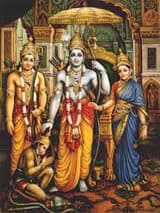
The urge for perfection can become a stressor in life requiring counselling intervention. This article uses a Ramayana narrative to explain the metapsychology of perfection. The resistance of worldly transactions necessitates that perfection has to be progressively worked upon. Besides, Sri Aurobindo’s insight that the human being is transitional and capable of evolving further in consciousness adds a new dimension to the phenomenon of perfection. Spiritual experiences alone cannot usher in perfection unless complemented by psychological perfection. The Mother’s description of psychological virtues needed for perfection can be used in counselling and personality development programmes.