
Collective bio-energetics: food detoxification — II
By Joachim P. Seckel - Jul 15, 2017
As a second investigation of collective food detoxification, the current study focuses on organic versus inorganic food samples. Divided into two sub-studies, data collection was based on indicators of Applied Kinesiology, a type of muscle-testing (PDM). Initial baseline testing indicated a differential between the two food samples, with the inorganic showing a degree of toxicity, due mainly to trace amounts of pesticides. Following exposure to an Integral Bio-Energetic Field (IBEF) centre, however, the differential toxicity was eliminated, as found for both sub-studies.

A review of folate status in diet and DNA methylation with an explanation by nutrient-gene interaction
By Subhasree Ray - Jul 15, 2014
Recently an interaction was found between folate and DNA methylation, explaining an impaired epigenetic control of gene expression due to a deficiency of folate in diet. Studies based on animal models have shown that this deficiency leads to mutation in Methylenetetrahydrofolate reductase that affects the one carbon metabolism. MTHFR polymorphism at 677 base pair leads to less production of S — adinosyl methionine (SAM), the universal methyl donour. Less SAM results in inadequate DNA methylation and impaired nucleotide synthesis. At the same time, being a co-enzyme and substrate in the conversion of homocysteine to methionine, the mutation of MTHFR interrupts the entire process, leading to increased levels of homocysteine in blood which results in CVDs. On the other hand, the thymine-thymine genotype of MTHFR (MTHFRTT) is also found to act in carcinogenesis. These findings which relate to the relationship between plasma folate levels and MTHFR polymorphism not only explain development of certain diseases but also open a new area of ‘Individualised nutrition’ where prevention can be taken by modifying existing diet.

A comparitive evaluation of the antioxidant potential of organic rice and a commercial variety
By Anil Kumar Sagi - Jan 15, 2014
An evaluation of biochemical parameters to assess the quality of various food products is a part of the work taken up by the Photobionics team. This is an analysis of the rice grown and cultivated by the photobionic method.
Adequate hydration — a key to health
By Uttareshwar Pachegaonkar, Dr. Arati Sharma - Jan 15, 2017
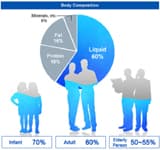
Water intake is a most crucial activity in maintaining health. One should drink water at the right time, right pace and right temperature. Drink enough water long before eating solid food, at a slow pace and with the water at around body temperature. Always drink safe, contamination-free water. Proper hydration gives enhanced capability of acclimatisation. The authors draw upon their clinical experience to validate these conclusions.